#SHRM18 Speaker Bobby Zaepfel: Dragging records into the 21st century

When you think about record-keeping in HR, what does it typically bring to mind?

If you’re like a lot of long-time practitioners, it probably means a dark, dusty room filled with file cabinets or shelving, file folders filled to bursting with documents that track the course of an employee’s employment and benefits. It may be orderly, it may be messy, but it’s probably on paper.

Bobby Zaepfel wants you to start thinking different about record keeping.

I had an opportunity to talk to Bobby as he prepares for his 2018 SHRM National Conference session Once Upon a Time There Was a Mountain of Paper, on Tuesday, June 19 at 7:00 AM. Don’t let the early time scare you off – it promises to be a great session! Bobby is the University Records Officer in charge of the records program all of James Madison University.  With a focus on process improvement, strategic goals, and vision, Bobby works closely with HR staff and campus leadership to facilitate and collaborate all areas of the records program at the university.

And Bobby is an electronics record-keeping evangelist.

As a member of the #SHRM18 Blog Squad, I get to interview speakers and help spread the word about their session, and I personally selected Bobby’s session on record-keeping because it seemed like a topic that, on the surface, doesn’t sound sexy, but is hitting HR departments hard as organizations look to modernize and cut down on their facilities footprints.bobby-zaepfel
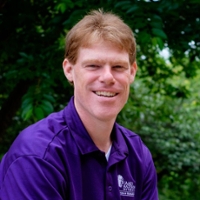
Bobby explains, “This is a hot button topic – it tends to be deprioritized until it CAN’T be deprioritized anymore.  A lot of organizations find themselves in a ‘gotta move NOW’ situation and don’t make plans for the future.” The trick, Bobby continues, is to be strategic about how you will move forward with electronic record-keeping. Buying a system isn’t enough. Like all HR tech, you need to have a plan first.

When I asked Bobby what advice he would give to an HR department about to embark on the path to electronics record-keeping, he said, “Approach it with a heavy emphasis on workflows. A lot of the (record-keeping) systems out there are very specific about what they can and can’t do. Draw a concept map out before you dive into the pond – what are the workflows? Who needs access? Etc.”

When mapping out the requirements for a record-keeping system, it’s this last point that some HR departments forget. Bobby gave me an overview of a records-conversion project James Madison University is about to embark on (moving from an “online file cabinet” to an record-keeping system), and when they started reviewing who needed access, it was clear that the needs went far beyond HR’s records. Student records, transcripts, applications, accounting – all needed to be accessed across the university. This requirement – and the careful planning that preceded it – led them to a solution that was tailor made for higher education.

I enjoyed my conversation with Bobby Zaepfel. He’s funny, engaging, and tells a great story. His first career was in broadcasting, and you can hear the roots of that past in the way he approaches his content. His first experience with the SHRM National Conference was last year in New Orleans – guess whose session was during the tornado warning? Thankfully, it all worked out!

When I shared I live in Colorado, Bobby was quick to proclaim his love for Red Rocks Amphitheater (as well he should) and shared that he was a bit of a Dead Head before settling down. He’s the proud father of three boys – twin 6-yr-olds and a 4-yr-old.

As our conversation wrapped up, I asked Bobby if there was anything else he wanted me to share with the readers. “SHRM is a wealth of resources – if you go on their site, you can find information on pretty much any topic,” he said. “This is so incredibly helpful for smaller HR departments, folks new to the industry, and true generalists who have to handle everything on their own.”

Well said, Bobby.


Join Bobby Zaepfel for his session at 2018 SHRM National Conference: Once Upon a Time There Was a Mountain of Paper, Tuesday, June 19, 7:00 AM

 

Courage and being human: Dispatches from #WorkHuman

Still at the WorkHuman conference, sponsored by Globoforce. Lots of cool stuff going on, so I’m writing about it whilst I’m here.


So when I woke up this morning, I had this great idea about a blog post, highlighting some of the things I saw yesterday that tied into the theme of “courage.” You had Brene Brown (who has a little ‘ over the e, but I can’t get WordPress do to it) talking about the relationship between joy and fear, between vulnerability and courage. You heard from Salma Hayek Pinault share her #metoo story and why she felt she needed to speak up after not doing so for so many years. Her personal story – of always being an immigrant, of doing more as a Latina than others had but still being ignored – was impressive and moving. She’s amazing.

And then this morning, we had the opportunity to see Adam Grant moderate a #metoo panel of giants – Tarana Burke (my new personal hero), Ronan Farrow, and Ashley Judd. It was an in-depth, meaningful discussion about the #metoo movement with people who helped make it viral (even through Tarana Burke launched it long ago). The panel discussed how the conversation needs to move from “can I hug women” to “treat all people like human beings, dammit” and was a real look at what comes next.leap-before-you-think

And throughout all of this, the concept of courage kept coming up – the courage of victims sharing their stories; the courage of allies supporting and not making it about them; the courage of employees saying “we aren’t going to tolerate this at our company”; institutional courage and individual courage.

What struck about this is that all people are capable of courage and it doesn’t always need to be on an epic scale. For every Salma Hayek or Ashley Judd article, there’s a person struggling with anxiety who manage to go into work every day and say hello to their coworkers. For every Tarana Burke taking over the world, there’s the HR professional standing up to her CHRO for non-values based behavior. For every Steve Pemberton overcoming his childhood to become an author and executive, there’s the person who sits down next to a stranger to make a connection.

I am in awe of the courage I see every single day.

One of my takeaways from this conference will be to find ways to celebrate and support displays of courage. I want to make room for the courageous – to provide a space that amplifies the messages to be amplified. Like Tarana Burke said, I want to center on the marginalized and let their stories drive the change.

I’m not sure how – but I’m going to try. We all need to.

We owe it to the courageous.

Shout out to the staff: Dispatch from #WorkHuman

A reminder that I am attending the WorkHuman conference put on by Globoforce this week in Austin.


The first day of any conference is typically about getting your bearings. You wander through the conference space, figuring out where all the rooms are, how to find the expo hall, and – most importantly – where the afternoon snacks and coffee will be, and WILL THERE BE DIET COKE????

There are typically some pre-conference sessions, too. And while some may be tempted to skip them, the ones held yesterday were PACKED. Cy Wakeman kicked it off with her guidance on eliminating drama from the workplace; Steve Pemberton (Globoforce CHRO) followed with his remarkable personal story of resilience and triumph; and David Rock brought home Pre-Day (can we call it Day One? I don’t know!) with information on feedback and why we’re struggling so much with it. (Full disclosure: while I love David Rock’s work and like him as a speaker, I went back to my room to take a nap. I got up WAAAAAAY too early for a flight. Sorry, David! Heard it was great!)

Prior to all of this, though, was registration. You know, pick up your badge, get your conference schedule, conquer the world. Normally this is a pretty sedate process – people come in little packs, but seldom descend as one. Except for yesterday. When we descended like a pack of locusts upon an unsuspecting group of WorkHuman helpers. It seemed every attendee decided to pick up their badge RIGHT BEFORE Cy’s talk. As you can imagine, it overwhelmed the staff. People got a little fussy. People were worried about missing the speakers. People don’t like not getting stuff IMMEDIATELY. (People are weird.)

I bring this up not to admonish the staff but to congratulate them for their perseverance. Two workers (one from Ireland, one from Denmark) went up and down the line, talking with folks and offering to get water or hold their place if they needed to step out for a moment. They made the choice to allow people into the sessions without their badge so no one would miss content. They extended the check-in hours to alleviate pressure. They stayed positive. They stayed focused. They stayed friendly.

At a conference focusing on the human side of work, this was refreshing. Attendees weren’t super jerky. The staff stayed strong. There was a collective realization that the world won’t end if you don’t get your badge. The time spent in line was time spent connecting. People were able to reframe and no one got yelled at.

How about that? We can be nice – even when inconvenienced.

So shout out to the people who are helping make this conference happen. It’s hard to coordinate this many moving parts. And shout out to the attendees who remembered why they’re here – to connect and to slow down a bit and to remember we are all just people trying to make it work in this crazy world.

I’m looking forward to today’s sessions. And I look forward to high-fiving some hard-working staff who keep a smile on their face and do what they can to make this conference memorable. Let’s all try to make sure THEY have a good conference, too!