Lots happened this week.
Many people are reeling.
Here’s a picture of a kitten in a car.
Take care of yourselves, everyone.

Lots happened this week.
Many people are reeling.
Here’s a picture of a kitten in a car.
Take care of yourselves, everyone.
As #SHRM18 winds down and 20,000 +/- HR professionals get ready to head home, it’s time to reflect a bit on what we saw, heard and learned during the conference.
My fellow SHRM Bloggers have been sharing amazing content throughout the conference, and I encourage you to read what they’re writing. Many of them are breaking down the sessions and highlight key takeaways, and you should definitely go read what they’re writing.
Thinking about what I’ve seen this week, my challenge to you as you go home is to think about style vs substance. No doubt you saw a number of speakers who entertained, energized and basically showed you a good time. That’s great! It’s always fun to see that kind of speaker.
Now…what did you learn from them? When you go back to your workplace and your coworkers ask you what you like about the conference, what will you tell them? Will it be about the fun you had? Will it be about what you learned? Will it be both?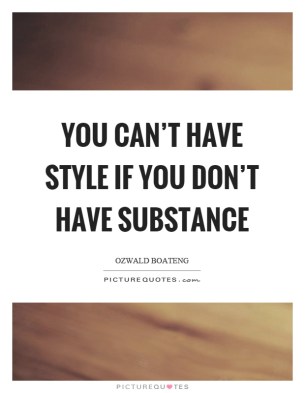
My hope is it’s a mix of both. Don’t confuse “fun” with “learning.” Don’t confuse entertainment with takeaways. Again – there is nothing wrong with fun and entertainment. Both of those things can help drive home the content and ensure you remember what the speakers wanted you to remember. But what will you apply? Can you recreate the feeling of the session you were in back home? Can you share the content of the session you were in with your team?
As leaders, we all struggle with the balance of style or substance. We see leaders who are charismatic and high energy gain popularity…and ultimately burn their teams to the ground because they have no freaking idea what they’re doing. We see leaders who are incredibly smart and capable fail to get ahead or gain buy-in because they lack the “spark” that people seem to respond to.
I don’t think it needs to be an either/or – it should be a continuum, a balance of style AND substance, capturing hearts and minds and spurring people to action. As you respond to the speakers, so might you respond to leaders.
So remember this lesson as you return home with dreams of changing your environment. Think about your leadership team and how they interact with your employees. Think about how YOU interact with employees. Are you simply “entertaining” them? Or are you helping them learn, grow and change?
Thank you, #SHRM18! You made us think. You helped us connect. You challenged us to change.
See you next year!
The big one – SHRM National – is coming up next week in Chicago. Over 15,000 HR professionals from across the world will be there to learn, talk, listen, and eat (hey, it’s Chicago).
There have been a number of fabulous blog posts written about the upcoming conference – you can find them here. The posts highlight speakers, vendors, tips on navigating the conference, and great sights to see in Chicago.
Since those posts already exist and are really good, I thought I’d share some random thoughts as I prepare to attend – both as a speaker and a member of the SHRM Blogger Team.
So there you have it – a stream-of-consciousness sharing of thoughts about #SHRM18. Follow the hashtag on Twitter. Tweet some content yourself! There’s a #NotatSHRM18 group out there, too. And the SHRM Blogger Team will be posting content throughout the conference! (I’ve been known to live tweet like crazy.) Plenty of opportunities to be a part of the event. You’re only as disconnected as you choose to be.
I’ll see you in Chicago!
 Surviving Leadership