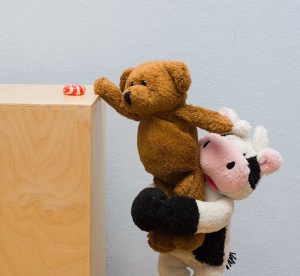
Help is not a four-letter word

The more I see articles about how busy we all are or stressed we are or upset we are, and how it’s become some sort of weird badge of honor, the more I’m convinced Americans (because I live and work here) have a core problem.

We don’t know how to ask for help.

We like to think we are a resilient bunch, forged by the wilderness, every person for him/herself. We don’t need the support of others – we’re independent, dammit! After all, we left Europe because we wanted to do things OUR way. We fought the British because they wouldn’t recognize our rights to representation, so screw them! We’ll declare ourselves sovereign.Then we fought, scratched and hornswaggled (that’s a fancy way of saying tricked or lied) our way to the West Coast. There’s that “can do” attitude!

You hear it whenever people proclaim with pride they are “self-made.” You sense it when people keep it quiet that they’ve relied on public assistance or the kindness of strangers. And you see it when confused kids don’t raise their hands in school to ask a question.

It’s very bizarre to me, because while we ARE a nation of independent go-getters with a can-do attitude who like to pretend they can do everything themselves; we are also a nation of incredibly community-minded folks who band together to help those in need. Don’t believe me? Check out GoFundMe or CaringBridge and marvel at the capacity of humans to want to help others. But that makes us feel better because we’re OFFERING help, not really ASKING for it. I mean, look at how many of those sites are set up by someone other than the person who needs the help.

When you look around our society right now, it’s clear there are those who need help. It might be because of the floods in Baton Rouge (just because it stopped raining doesn’t mean their need is gone); maybe recent events have shaken them and they don’t know how to talk about it; maybe their water heater went out and they just can’t afford a replacement; maybe they deal with violence in their own home; maybe they suffer from depressionhelp

Take a look at the people you work next to every day. Do you know what they are dealing with? Would you know how to help them if they asked? Would they even ask? Now take a look at yourself. Chances are, you’re dealing with something. It could be as serious a cancer scare. Or it could be as simple as feeling overwhelmed by projects. Would YOU ask a coworker for help?

There are so many reasons we refuse to ask – ego, fear of losing credibility at work, cultural concerns about appearing weak, worried about putting others in an uncomfortable situation, honest belief that we can “handle it.” While these all feel valid in the moment, the reality is that none of them will kill you. It might make you and others feel awkward for a couple minutes, but that will pass.

If you work with people you think need to ask for help but don’t seem to be willing to do it, try one of the following techniques:

  • Ask for help first: I know, right?! So flipping obvious. And yet we don’t do it. This is especially powerful for leaders because it makes you vulnerable and proves to the team that asking for help is TOTALLY OKAY. In fact, it’s encouraged.
  • Shut up and listen: Your coworkers might be asking for help without saying the actual words. Maybe their complaints about being tired or stressed have increased. Maybe they’ve dropped some hints about deadlines. Pay attention to changes in how they talk and act.
  • Don’t make it about you: We LOVE to share stories about our own problems. We do it for (mostly) altruistic reasons; we’re trying to show “we’ve been there.” Guess what – they don’t care. Unless they point blank ask you if you’ve been in the same situation, don’t start talking about how tough it was when you had a hangnail, so you TOTALLY get why open heart surgery would be scary.
  • Specifically offer to help: Some people just aren’t going to ask for help. They think it’s somehow rude. Offer to help a very specific step in the process. “I can print out those reports and deliver them to the project team.” “I’ll go to this meeting and that will give you time to catch up on emails.” “How about I bring your family some dinner this Thursday so you can run to the hospital and see your grandfather?” This keeps the person from getting overwhelmed and keeps them from feeling like they’re putting you out because YOU offered.
  • Respect their wishes: Demonstrate your willingness to help through action, not words. If someone approaches you, give them your attention. If someone looks upset, just stay by them. If they say they want to be alone or don’t want to talk about it, tell them it’s okay…but you’re just down the hall if they need you. Everyone processes things differently – give them room to do that. But…
  • Don’t believe them when they say “I’m fine,” and they obviously aren’t: People in the midst of crisis may be in denial. If you see someone who is really struggling (disheveled appearance, changes in behavior), reach out. Take them to lunch. Let them know they are not alone…and they don’t have to be.

You can be independent, feisty, sassy, brilliant, powerful, successful…and still ask for help. You can be confused, frustrated, out of your depth, upset, angry, exasperated…and still OFFER help. That’s the beauty of being a human being. We are a walking contradiction. We are complicated. We are a mess. We are amazing.

We can all ask for help. We can all offer help.

You just have to do it.

Don’t be afraid to ask questions. Don’t be afraid to ask for help when you need it. I do that every day. Asking for help isn’t a sign of weakness, it’s a sign of strength. It shows you have the courage to admit when you don’t know something, and then allows you to learn something new. ~ Barack Obama




It’s STILL about the people

[Continuing to hang with my HR homies at #SHRM16. It’s happening until Wednesday. So…yeah.]

Every year at the SHRM National Conference, you see all sorts of blog posts about how the content is great, but it’s really about the people you meet and the relationships you build. Hell, I’ve even written that blog post.

This year, I wanted to attend more sessions and see more of the content that’s out there. I went through the schedule and picked out a bunch of sessions that looked good (and there were lots) and was ready to session the heck out of this place.

And then I got to DC and that all went out the window.

shrm_ac2016_logoOver the past 12 months I’ve had the chance to connect with so many amazing folks online that once I arrived, it’s a constant scavenger hunt to find all the people who want to met in real life (that’s IRL for those of you in the know).

People like Jon Thurmond, Dan Cross and Wendy Dailey from SHRM’s NextChat (Wednesdays, 3:30pm Eastern – join!). Other folks like Micole Kaye and Chris Bailey, who are always great to see! And of course, all of the #SHRMBloggers!  (And if I haven’t seen you yet – what the heck??)

Anyway, it just goes to show that while these conferences have some fabulous speakers and helpful content, the reality is that most of us come because it’s like a great big crazy family reunion and we barely get to see each other face-to-face.

So forgive me if I don’t go to as many sessions as I wanted to. And if I don’t connect with everyone I meant to, my bad.

For me, #SHRM is STILL about the people.

If I were king of the forest: in praise of managerial courage

I’m one of those people who lacks a strong natural filter.

I know – shocking, right?

I mean, I can have a filter – a damn good one. I’m very good at spinning a story to make it seem like it’s a good idea, or at the very least, not a horrible one. I’ve worked in tech startups, for crying out loud. I had to write press releases to make a letter of intent sound amazing even though we didn’t really have a product that worked. And I’ve work in Human Resources, for crying out loud. Do you know how many times I’ve had to “sell” a new policy or change in benefits? I can filter, dammit. It just takes effort.

king-of-the-forest
With a woof and a woof and a royal growl – woof.


So why am I talking about filters when I so clearly stated in the headline that I’d be talking about managerial courage? Because I think that filters sometimes overtake our willingness to be bold. We are so concerned with not ruffling feathers or rocking the boat or saying the wrong thing or looking a little silly that we turn the filter up to 11 and refuse to speak up and let things happen that shouldn’t. [I used ‘and’ a lot in that sentence. Oops.]

Leaders should exhibit managerial courage if they want to be successful. I’ve got reasons:

  • Innovation doesn’t come from being meek: Change happens because someone stands on a desk – metaphorically or otherwise – and yells they are MAD AS HELL AND AREN’T GOING TO TAKE IT ANYMORE. Courage means sometimes you have to do something unpopular to move forward.
  • Feisty managers can instill pride in a team: Employees know when bullshit is going down. They might not have the best spin detectors in the world, but they know enough to be able to tell when a bad idea is implemented. Managers who speak up appropriately against the craziness in their world show their teams that not every leader accepts the crap that rolls downhill. (You’ll notice I said ‘appropriately’ – that’s important.) Teams like a manager who stands up for what’s “right” – whatever that looks like.
  • Speaking out can foster healthy conflict: Not enough organizations know how to fight. Too many people seem to think debate = anger = personal attack. Can we stop thinking this? Seriously. Managerial courage requires leaders to accept the momentary discomfort of conflict and start an exchange of ideas, which leads to better decisions because people have learned to talked about the issue and not each other. Healthy conflict – good. Artificial harmony – bad.
  • Safe is boring: Ever heard the line Fortune favors the bold? No? Well, now you have. If you have ambition to move up in an organization or want to gain influence with your stakeholders, you’ll need to speak up. It creates opportunities for you to be viewed as a thinker – as someone who thinks big and isn’t afraid to share their big ideas. I don’t mean that you should naysay everything. Then you’re just an asshole. I mean you should accept a little risk in order to gain a bigger reward.
  • You learn how to fail: Not every episode of managerial courage will end with you draped in glory. In fact, you’ll most likely fail more often than not – especially early on. Each time you will refine your timing, target your message, and fine tune your approach. The powers that be will start listening, and even if you don’t change their minds this time, you’re depositing influence for a later discussion. It’s kind of like when a star player argues a foul call or a called strike. They know they won’t reverse the call…but it just might get the ref to lean towards their point of view the next time.

Being a leader is exhausting. You often feel like you’re fighting an uphill battle and all you get is blame and you never get the recognition. You’re responsible for a team of people who may or may not trust you, and may or may not care to be engaged at work. Oh, and if you’re like most people, you’re a “working leader” – meaning you have a whole bunch of deliverables due, too.  I think that’s why so many leaders shut down and decide to go along to get along – they just don’t have the energy to fight anymore.

Well, I say – fight, dammit. Step up to the plate and display your courage. You’ll energize yourself. You’ll energize your team. You’ll energize your organization.

Success is not final; failure is not fatal: it is the courage to continue that counts.
– Winston Churchill