HR is burned out…why leaders should care

This week I am attending the WorkHuman 2015 Conference in Orlando, Florida. The goal of this conference is to help companies find ways to create a community of support and positivity that brings greater meaning to everyone’s work lives.  I’ll share what I learn here and on Twitter (@mkfaulkner43 #WorkHuman). 


Any time you go to an HR-related conference, you meet amazing people, are exposed to new (and old) ideas, and get a sense of what life is like in others’ work worlds.

You also inevitably hear complaints.

This is not unique to an HR conference. Get any two people who work for a living together and they will start complaining about their office, or their boss, or some process they hate. It’s human nature to vent, and conferences are a breeding ground for it because this is a new group of people who has never heard our stories before. And we love a fresh audience.

What does strike me at the more recent HR conferences I’ve been to is that the stories have moved away from the “You won’t believe what this employee did” variety to more of the “I don’t think I can do this anymore” variety. HR professionals are feeling stretched thin, trying to juggle the ongoing demands of changing regulations and administration with the increased pressure to be strategic and bring value, and oh, by the way – plan the company picnic.

In short – HR is burned out.Oxygen Mask
They are sick of hearing about how they are the problem. They are sick of hearing about how employees are their problem. They are sick of employees complaining about their bosses, and they are sick of hearing managers complain about their employees.

They’re also tired. HR people don’t always get a full night’s sleep.

So why does this matter to leaders? Why should you care if HR is burned and cranky?

Because that HR person needs to have your back. They need to help advise you on the right decisions to make. They need to help you balance dollars and humanity. They craft the strategy that helps attract and retain your talent, and they hold you accountable to those promises you made during that all team meeting. They also help you deliver difficult messages with grace, keep egg off your face (if you let them), and have some pretty great ideas about how to help the business reach the next level of awesomeness.

And if HR is burned out…they may be less inclined to do those things for you. Sure, they’ll make sure the employees are paid and legal, but you won’t get all the extras that you take for granted.

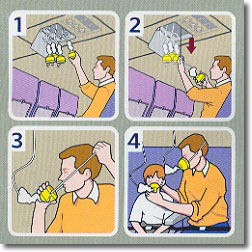
In a morning keynote, Arianna Huffington spoke elegantly about the power of renewal – of putting the care of ourselves first so that we can facilitate the care of others. She compared it to: “In case of emergency, place your own oxygen mask before assisting others.” It results in better health, better innovation, better creativity, and better productivity.  It results in RESULTS.

HR is often the worst at taking its own advice. We work through lunch. We come in early and on weekends, we stay late to meet with employees afraid to meet during business hours. We respond to emails at all hours of the night because an executive forgot to tell us something that we really need to know before that meeting in the morning. We do this because many of us are martyrs who think we have to. And we do this because we care that things are done to expectations.

This comes at a cost.

Leaders – don’t take HR for granted. Help them set the example that the rest of the organization can follow. Tell them to go home on time. Tell them to stop responding to emails. Don’t enable their need to please. Help them set boundaries…and then allow them to KEEP those boundaries. No one gets to break that rule. No one.

In the end, you will have more effective HR, more effective employees, and a more successful business.

And HR conferences will be filled of fun stories again, instead of good people at the end of their tether.

 

Be careful what you wish for…your voice WILL be heard

As employees, we have a list of grievances – or demands, if you prefer – that we carry in our heart and in our head at all times.

  • No one ever asks me what I think.
  • I never get to work on the big projects.
  • The executives don’t even know who I am!
  • My boss is constantly checking on me. Just leave me alone and let me do my job.

Sound familiar?

Complaining is the lifeblood of the American worker.  If we didn’t have work to complain about, we’d be forced to deal with something else. Like our unhealthy addiction to Laffy Taffy (don’t judge me).

So let’s say you had the opportunity to speak up. And I’m talking about a leadership team who really wants to hear your feedback and input (not some snarky attempt to check off the “listen to your people” box).green_soapbox

Someone finally asks you what you think.  Someone looks to you for some big ideas. Someone gives you free reign to propose a solution to all the problems you’ve been pointing out for so long.

Are you ready to respond? Because you may only get one shot at this.

It can hurt your credibility when you’re not able to rise to the occasion. Responding from a place of emotion rather than giving specific examples of what has happened that negatively impacts the organization, the focus is no longer on the issues – it’s squarely on you. And if you don’t respond AT ALL, you risk never being asked for your opinion again.

No one is looking for a perfectly formed 12 point plan to address the issues.  Your leaders are just asking you to articulate your concerns in a way that shows you have thought about the problem…you know, beyond how much it impacts you personally. Leaders KNOW it impact you. That’s why you keep bringing it up. So what are you gonna do about it?

If you want a voice and have a say in formulating a solution to the issues your team faces, try the following:

  • Self-monitor: Take note of how often you complain and how you might be perceived by others. What others might agree with in the beginning might become background noise in the long run.
  • Listen to others: Issues may not impact others the same way they impact you. And others may lend perspective that you don’t have.  So hush up and see what they have to say.
  • Stick to the facts: Emotions can run high, particularly if a group feels like no one has been listening to them up to this point.  Leaders tend to shut down the instant employees argue emotion rather than factual impact.
  • Be honest without being mean: Leaders want candor. They don’t want anger. Don’t let the message be lost in the way you deliver it. Attack the issue, not the person. You CAN be respectful and be frank.
  • Be solution-focused: We all vent. A lot. It’s pretty easy to point out all the things that are wrong. Leaders ask for your opinion because they want to hear from the people on the front-lines. Use your day-to-day knowledge to suggest solutions no one in leadership would think of.

So the next time you complain that no one ever listens to you, don’t be surprised if leadership starts asking for your opinion.

Will you be ready?

The best part about being a manager

There are hundreds – nay, thousands – of blog posts about how hard it is to be a manager, the struggles one faces, the challenges we deal with.  I’ve contributed to that number.  Heck, this whole blog was created on the premise that it’s difficult to be a leader, as well as to be led.

None of that has changed. It’s hard out there for a pimp, yo.

But we focus so much on negativity that I thought it would be good to take a moment to talk about the best part about being a manager – employees.

Yes, employees are the best part about being manager. (Some of them are the worst part, but that’s another story.) Unless you are ready to work with your employees to help them be successful, you shouldn’t even consider being a manager – I don’t care what the compensation rate is.  You need to WANT to develop people. Because it’s hard work and can lead to heartache.

It can also lead to moments of incredible joy and pride.you da best

I’ve had the opportunity to manage a lot of different people in a lot of different situations in my career – some good, some bad.  While every single one is one of God’s special creatures in their own way, there have been a few that stood out because of what they accomplished.  And let’s be clear…they are the reason they are successful.  I was just lucky to be there.

I don’t want to publicly embarrass any of them, so I won’t go into great detail about their circumstances (Sam, Steven, Jim, others…you know who you are).  I worked with all of them when they were individual contributors – some in mid-career, some at the very beginning. All of them loved challenge, hated me from time to time, and have moved on to build training organizations of their own, to manage people, or to find the job that brings them happiness. And they did it because they are awesome.

There was no secret ingredient to helping them.  Really, it was about having high expectations, having their back, letting them fail from time to time, challenging them when I thought they were selling themselves short, and then getting the hell out of their way.

Whenever I have a chance to interact with these former employees, I’m always in awe of what they have been able to accomplish in spite of me.  It’s always a shame when a great employee moves on, but that’s tempered by the knowledge that they have done so much more than what they could have done if they had stayed my employee. And I learned far more from them than they did from me.

So, yeah…there are times when I hate being a manager; when I wish all I had to do was sit down, do work, and not be responsible for anyone else. But all that (well, most of that) goes away when I see an employee succeed.

Treat employees like they make a difference and they will.
 – Jim Goodnight, CEO SAS


Do you have a great employee success story? ARE you a great employee success story? Share in the comments!!!