Can you change your industry if you don’t consult?

It happened again. One of those The 25 Most Influential Whatevers Changing the Industry lists. The ones that inevitably have the same core group of names you see on every other list in the same industry. And the ones that seem to consist solely of consultants.

I’m not saying those people don’t deserve to be on those lists. The folks who make those lists have clearly gotten their message to a wider audience and are typically looked to as an expert in their field. And they work hard to earn that recognition.

What I am saying is that you almost never see an in-house person on those lists, what might be referred to as a “practitioner.” Oh, you see folks who own their own businesses and do it well, so it’s not like they aren’t working their butts off in “corporate America,” but they still tend to be on the outside looking in.

There are a lot of reasons why this might be the case, none of them nefarious; it’s just the nature of the work you do as a practitioner. First, let’s look at why consultants tend to make lists more often:

  • Consultants depend on getting their name, brand and messaging out there on a regular basis to build their business. You have a day job, the basic need of getting your name out there for a paycheck isn’t as strong.
  • Consultants are a third-party voice, and as such they get the “fresh eyes” credibility boost. Remember when you were new at your company and everyone thought you were brilliant? It’s the same effect sometimes for consultants.
  • Consultants know that they need to stay current to stay credible, so they do their homework on the latest and greatest stuff that’s going on. Also, a lot of them tend to be invited to speak at conferences, which means they see the most recent products and research…and it raises their visibility in the field.

So that begs the question – can you be recognized as an industry trailblazer when you’re working a 9-5?

Pigeons. In holes. Get it?


The short answer is yes…it just takes a lot more work.

First, figure out WHY you want to change your industry. Is it for personal glory? Or do you really think there’s got to be a better way to do it? If it’s personal glory….well, feel free to promote yourself out there and see how long you last. But if you really think there is a better way to do work within your industry, there are a few things you might consider doing on your way to trailblazer status:

  • Be a Mad Scientist: Your current organization is a great testing ground for new ways to do things within your industry. Think of it as your own little laboratory. When you get some interesting results, start sharing it with people in your industry.
  • GET ON SOCIAL MEDIA: I know, I know…EVERYONE is on social media. You know why? Because it’s a great place to network with other people who do your job, too! You can talk to people, ask them how they’re handling certain issues, share your expertise. And you don’t have to go to awkward after-work happy hours to meet them, either. It’s like an introvert’s dream.
  • Put yourself out there: This is sort of related to the social media one, but has a broader focus. If you want to impact your industry, you need to see more of your industry. Go to conferences (if you can). Volunteer locally if there is an industry membership group nearby. Reach out to similar organizations and see if you could visit to learn a little more about what they do. Don’t bury yourself in your bubble and assume you’re a rock star because you have figured out your company’s system. You need to find out about other systems before you can help change the industry.
  • Publish your findings – successes and failures: Publishing might seem kind of formal, but depending on your industry, it could be the way to go. Or, you know, you could start a blog. Or maybe apply to speak at some of those industry conferences you’ve heard so much about. Sharing what you’re doing with people outside of your organization is the best way to get feedback on what you’re doing AND to help influence what is going on in the industry.

Does that sound like a lot of work? It can be. You’ve got a day job, and a lot of this may need to happen at lunch breaks, evenings and weekends. No one said change was easy, but if you really want to impact your industry, you may need to burn the midnight oil every once in awhile.

Oh, and one last thing you might think about as you embark on this quest….

  • Be okay with making YOUR company better: Sometimes it’s enough to make a difference at your own place of business. Not every change will be industry-changing – often, it’s enough to know you’ve made work better for the people around you. And really…isn’t that the best kind of change?

Lisa Rosendahl, awesome person: This year’s Tim Sackett Day Honoree!!!

lisaEvery year, the HR blogging community gathers together to honor someone in the profession who is pretty darn cool. This is my third year to participate in such a cool tradition. (Year One and Year Two posts, in case you’re curious.)  In that past, I didn’t really know the people I had a chance to write about. I knew OF those people, and through this tradition, I had an opportunity to get to know them even better.

This is a rare year in that I have actually MET Lisa. In real life. In the lobby of a convention center (because that’s how classy HR people do it).

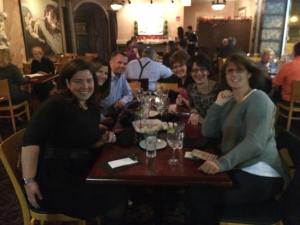
I met Lisa when I spoke at MNSHRM in 2015 (I think. Seriously, I have no idea what year this is. HELP ME!) Frankly, everyone I met there was a delight. Kate Bischoff gave me a Gopher hat. Josh Rock gave me a “Hi-eeee!” We tried to help Paul DeBettignies find happiness. It was a fun time. Don’t believe me? Check us out. (Yes…I have Beyonce hair in this picture. I’m just that cool. Lisa is the person directly behind me on the right. Avoiding my Beyonce hair. And kindly not laughing AT me.)

12095214_10154272422098082_337365852899494440_o

And I also met Lisa at that conference. She is a wonderful person to talk to – smart, funny, wry, empathetic, tough as nails (seriously, when I met her, she was mad that she couldn’t run because she had an injury!). Lisa is a veteran and a mom. She’s also a mentor for so many bloggers out there who are just getting started or want to get better. And she’s one hell of a writer. Lisa is far too humble to believe the impact she has had on the community, so we are happy to toot her horn for her.

If you don’t know Lisa, do yourself a favor and get to know her. If you’re in Minnesota and want to meet an amazing person in real life, you would not be disappointed. I count myself lucky to be connected with her, no matter how tenuously.

So, thank you, Lisa Rosendahl!!! And happy Tim Sackett Day. We are so grateful to know you!


To learn more about Lisa, you can find her through any of these links:

2017 and the need for a plan

In general, 2016 kinda sucked.

I mean, there were some good things that happened. Captain America: Civil War was released. As was Rogue One, Deadpool, Star Trek: Beyond (I liked it), Doctor Strange…you know – decent movies. People were married and people were born, which I assume made several folks happy.

But there are a lot of you out there who have expressed your overall disgust with 2016. Too many amazing talents died (David Bowie, Alan Rickman, Prince, Gene Wilder, Garry Shandling, Arnold Palmer, John Glenn….it’s a depressingly long list). X-Men Apocalypse was released (good lord, that was awful). Discriminatory laws were passed around the nation, and then we went through that godawful presidential election that has left so many people in fear and despair for the future, or at the very least – not optimistic.

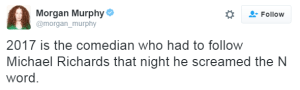
I think this tweet pretty much sums it up:

tweet

So who’s excited for 2017?

I am. But I’m not walking in with my eyes closed. I’m going to be prepared.

Glitchpath shared an approach that I think will work for 2017 – I’m going to do a premortem for my year. But I’m going to keep the scope small. I can’t worry about celebrities and movies (please don’t suck, Episode IIX or Dark Tower), so I’m going to focus on my workplace.

After thinking through that premortem, I’m building a contingency plan for things I think might happen so I’m ready for when they totally do. This isn’t a complete list (that would be a book), but I can bucket some of the areas of potential failure. This helps me think through a game plan to be ready for next year.

Plan A B or C Choice Showing Strategy Change Or Dilemma

  • Potential Failure #1: Employee Issues
    Let’s face it. Employees are great, but they bring on all sorts of variables that will throw your workplace into a tizzy. It could be performance issues, interpersonal issues, illness, turnover, business changes, etc. It’s a lot to plan for.

Contingency plan: Document all processes and cross-train as much as possible. Seriously, have a backup for your backups. Teach your team conflict management techniques (an no, that doesn’t mean “pretend it never happened”). Next, have open career goal discussions with each member of the team – are you happy? do you want to stay? if you stay, what can we help you do better? Be sure to set clear expectations with the team so there are no surprises. Work hard to cultivate a culture of trust and flexibility.

  • Potential Failure #2: Internal Customers
    Bless their hearts. We’re all on the same side, but for some reason, internal customers will occasionally go off the deep end and take you off the rails. They go around you to complain to those above you. Or they spread vague rumors about perceived problems. Issues can include unreasonable expectations, lack of response, not following the process, change in their business needs, budget constraints, etc.

Contingency plan: Build some good relationships. Create a responsive, adaptive, consistent communication cadence for all customers. Know your process and understand what you can and cannot compromise in the name of customer service. Share your process with your customers and outline roles and responsibilities on both sides.

  • Potential Failure #3: Executive Leadership
    You’ll notice that I put this group outside of internal customers. While executive leadership IS usually an internal customer, their real impact is greater because they are making decisions that touch on everything you do – how decisions are made, what can be communicated when, policy decisions, budgeting decisions, etc. There are so many potential pitfalls that I can’t possibly list them. They are legion.

Contingency plan: Find allies on the leadership team and build strong relationships. Leverage these relationships to learn about potential hidden agendas to help you navigate the politics of the situation. Develop an effective dashboard that quickly and easily communicates what’s happening in your team to leadership so you can build credibility and visibility.  KEEP YOUR BOSS IN THE LOOP AT ALL TIMES. (Nobody likes to be blindsided. Nobody.) And worst case scenario – win Powerball.

No, this isn’t an exhaustive list. There will still be crappy times ahead, and I can’t possibly plan for everything that can happen. Hopefully it gives you some idea of how I’m approaching 2017. I’m being proactive and cagey, instead of reactive and quick on my feet. I want to feel in control in 2017, rather than feeling like I survived the year.

So don’t mess with me, 2017. I know what I’m doing.